When you are preparing to sell, it is easy to think every wall needs attention. Usually, it does not. The better question is what to paint before selling a house so it looks cared for, feels broadly appealing, and supports the first impression buyers form as they walk in.
Pre-sale painting is not about erasing every sign that people lived there. It is about removing distractions: visible wear, overly personal color choices, unfinished repairs, and tired trim that makes an otherwise good room feel neglected. A focused plan can make the home feel cleaner, brighter, and easier for a buyer to imagine as their own.
Start with a walkthrough from the curb to the back door. Notice what your eye lands on first. Those are the surfaces that should guide the budget.
Prioritize the high-visibility spaces
Buyers see the entry, main living areas, kitchen-adjacent spaces, primary bedroom, and bathrooms quickly. If those rooms feel fresh and coherent, the home has a stronger visual foundation even if a guest-room closet waits for another day.
Look for:
- scuffs, dents, or patchy touch-ups on main walls
- dark, highly saturated, or strongly personal colors
- yellowed, chipped, or mismatched trim
- worn front doors, shutters, railings, or porch details
- ceiling marks or repairs that draw the eye upward
- old paint around switch plates, doors, and baseboards
Not every mark needs a full-room repaint. But scattered touch-ups often look different from the surrounding paint because of fading, sheen changes, or application texture. A painter can help you decide when a repair can blend and when repainting a full wall creates the cleaner result.
For exterior preparation ideas, see our residential exterior painting service.
A smart pre-sale painting checklist
| Priority | What to assess | Why it matters |
|---|---|---|
| First | Front door, entry, porch, and visible exterior trim | Establishes curb appeal and the first impression |
| First | Entry, living room, dining room, and central hall | These spaces set the home’s overall tone |
| First | Kitchen walls, cabinets if appropriate, and nearby trim | Buyers spend time here and notice maintenance quickly |
| Next | Primary bedroom and main bath | Helps key private spaces feel clean and ready |
| Next | High-traffic trim, doors, and baseboards | Crisp details make rooms feel better maintained |
| As budget allows | Secondary bedrooms, laundry, closets, and garage | Useful when wear is visible or color is distracting |
This list is a starting point, not a rule. A bright red guest room may deserve attention before an already-neutral living room. A charming older home may need exterior trim addressed before an interior repaint. Put the money where it reduces the most visual friction.
Choose colors that help buyers see the space
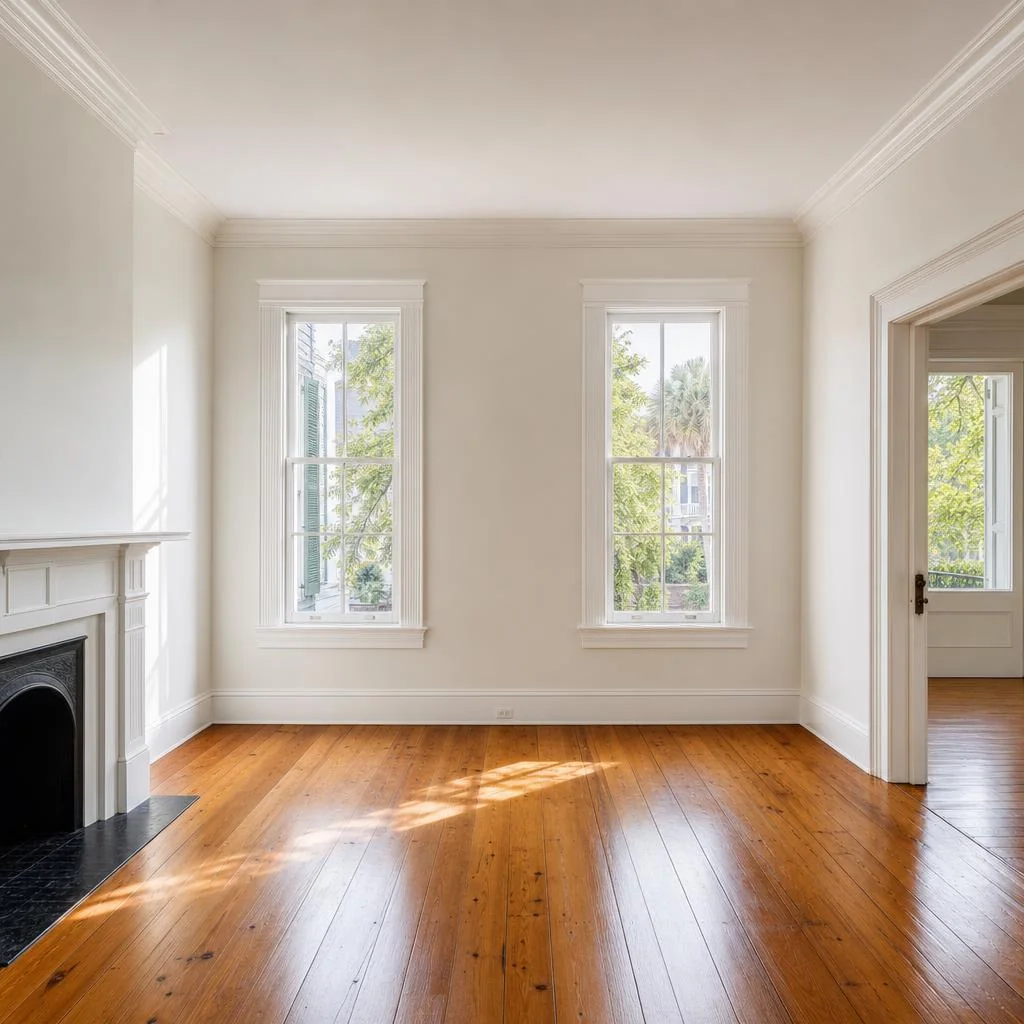
The goal is not necessarily “everything gray” or “everything white.” The best pre-sale colors tend to be calm, light-to-mid-tone, and easy to understand alongside a range of furnishings. Warm whites, soft greiges, muted beiges, gentle pale grays, and soft blue-greens can work well when they suit the home’s fixed finishes.
Before choosing, look at floors, countertops, tile, and cabinetry. A cool gray can fight with warm wood floors; a creamy neutral can make a cool white tile look yellow. A color should make the existing materials look intentional, not call attention to their undertones.
Keep the palette coherent
You do not need to paint every room the same color. You do want adjoining spaces to relate to each other. One foundation neutral in shared areas, with slightly different but compatible colors in bedrooms or baths, gives buyers a sense of flow.
If your home needs several rooms painted, use a whole-house paint color palette guide as the planning framework. It can help you make choices that look coordinated in photos and in person.
Be careful with pure white
Bright white can look fresh, but it can also reveal wall texture and make older trim look stark. In many homes, a soft warm white or a pale neutral has a more finished, welcoming effect. Test samples next to the trim, floors, and cabinets before making a large commitment.
Do not overlook the front door and exterior details
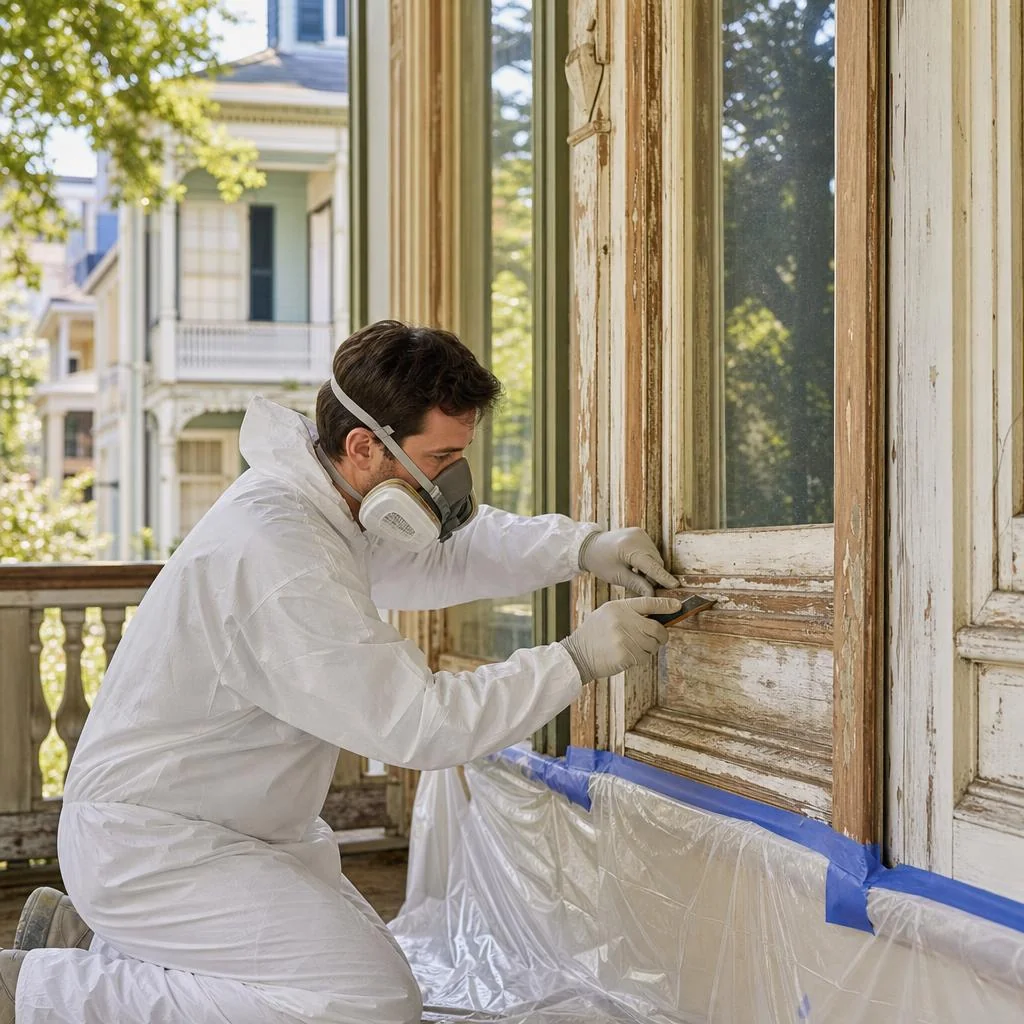
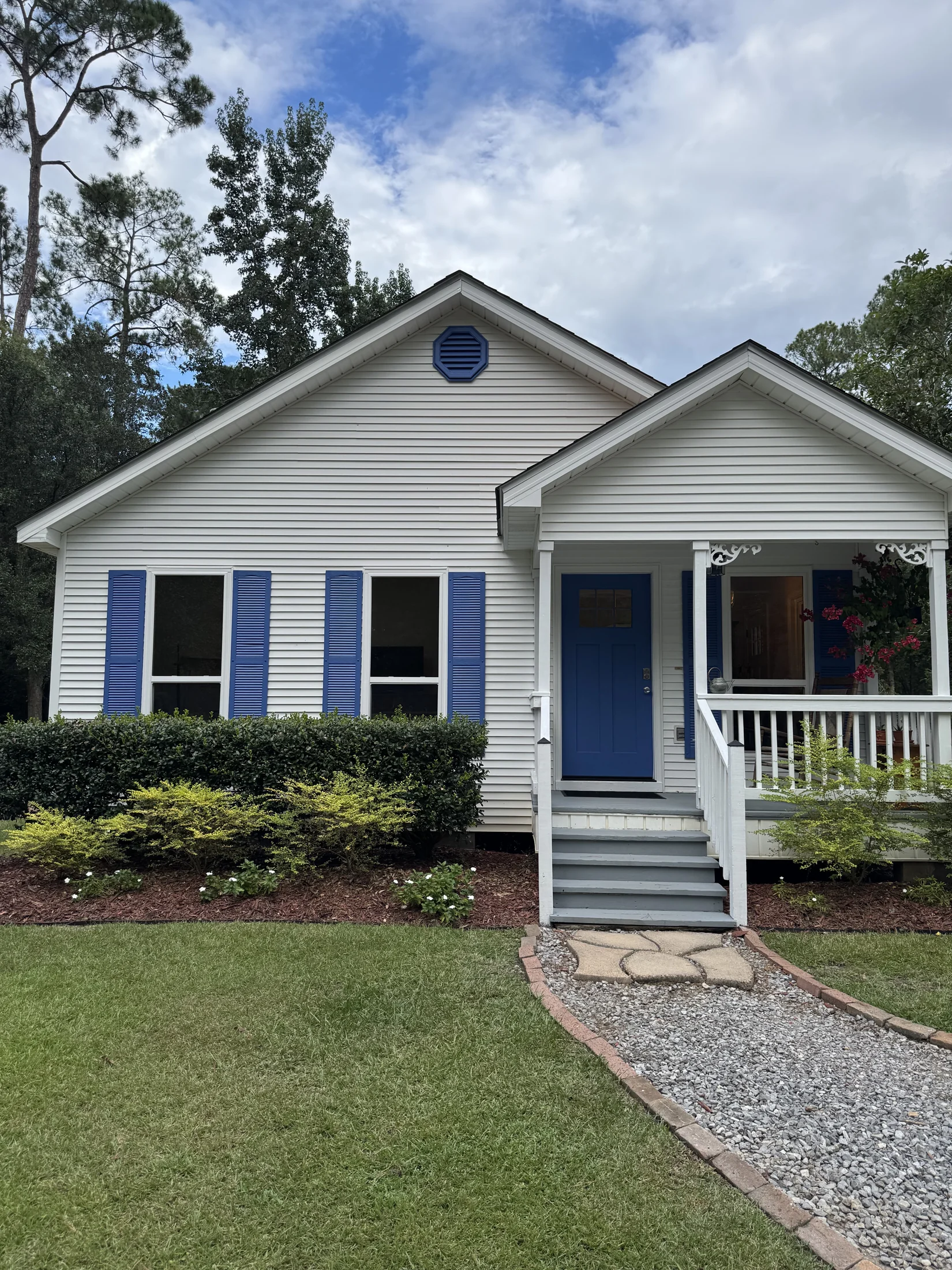
A buyer’s experience begins before the showing. A clean, well-chosen exterior color scheme can make a home look cared for; peeling or faded paint can pull attention away from the property’s best features.
Focus on the surfaces buyers see up close: the front door, porch ceiling, shutters, railing, trim, and areas around the entry. If the main exterior body paint is sound, those smaller details may offer more impact than a full exterior repaint. If the body paint is visibly weathered or failing, a more complete assessment may be worthwhile.
For homes in local historic districts, confirm any applicable requirements before making exterior color or coating decisions. In the French Quarter, the City says exterior painting on private property generally requires a VCC paint permit except for touch-ups, and proposed colors must be approved. See the City’s VCC paint-permit guidance for current information.
Repair before you paint
Paint makes a room feel renewed, but it is not a substitute for surface preparation. Dings, cracks, water staining, loose material, and failed caulk should be evaluated before the color decision. Addressing the surface first helps the finish look more intentional and prevents a fresh paint job from highlighting a problem underneath.
This is also where a detailed walkthrough adds value. Ask for the scope in plain language: which walls, ceilings, trim, doors, and repairs are included? The cheapest-looking option is not always the clearest one if it leaves the most visible issues unaddressed.
Match the scope to your selling timeline
Pre-sale projects can become stressful when every task is treated as equally urgent. Divide your list into three categories:
- Must address: visible damage, strongly distracting color, or worn entry surfaces.
- High impact: main rooms and trim that will show prominently in listing photos and showings.
- Optional: lower-visibility rooms that are clean and neutral enough as they are.
This simple filter protects the budget and keeps the project from expanding at the last minute. It also leaves room for cleaning, staging, photography, and the other details of preparing a home for market.
What to ask your painter
For a pre-sale estimate, ask:
- Which painted surfaces will make the biggest difference for this home?
- Can you separate must-do items from optional improvements?
- Which repairs or preparation steps should happen before paint?
- Will spot repairs blend, or is a full wall the better choice?
- Which colors work with the floors, counters, and tile we are keeping?
- What order should interior and exterior priorities be completed in?
Paint for clarity, not for a dramatic makeover
The most effective pre-sale painting helps buyers focus on the home itself. It creates a clean, coherent backdrop for the architecture, natural light, and spaces they are considering. A few targeted improvements can feel more persuasive than a rushed attempt to repaint everything.
Request a free in-person estimate from Big Picture Painting to walk through your priorities and discuss a focused pre-sale painting plan. residential interior painting · contact Big Picture Painting.