If you are staring at boxes, closing paperwork, and a house full of possibilities, “Should we paint before moving in or after?” can feel like one more impossible decision. There is no single right answer. The better choice depends on access, the condition of the surfaces, your budget, and how much disruption you are willing to manage once daily life begins.
Painting before move-in is often the easier route when the house is vacant and the scope is clear. Painting after move-in can be the wiser choice when you need time to understand the home’s light, furnishings, and priorities. The important part is deciding intentionally—not discovering halfway through unpacking that a room needs more attention than expected.
The case for painting before you move in
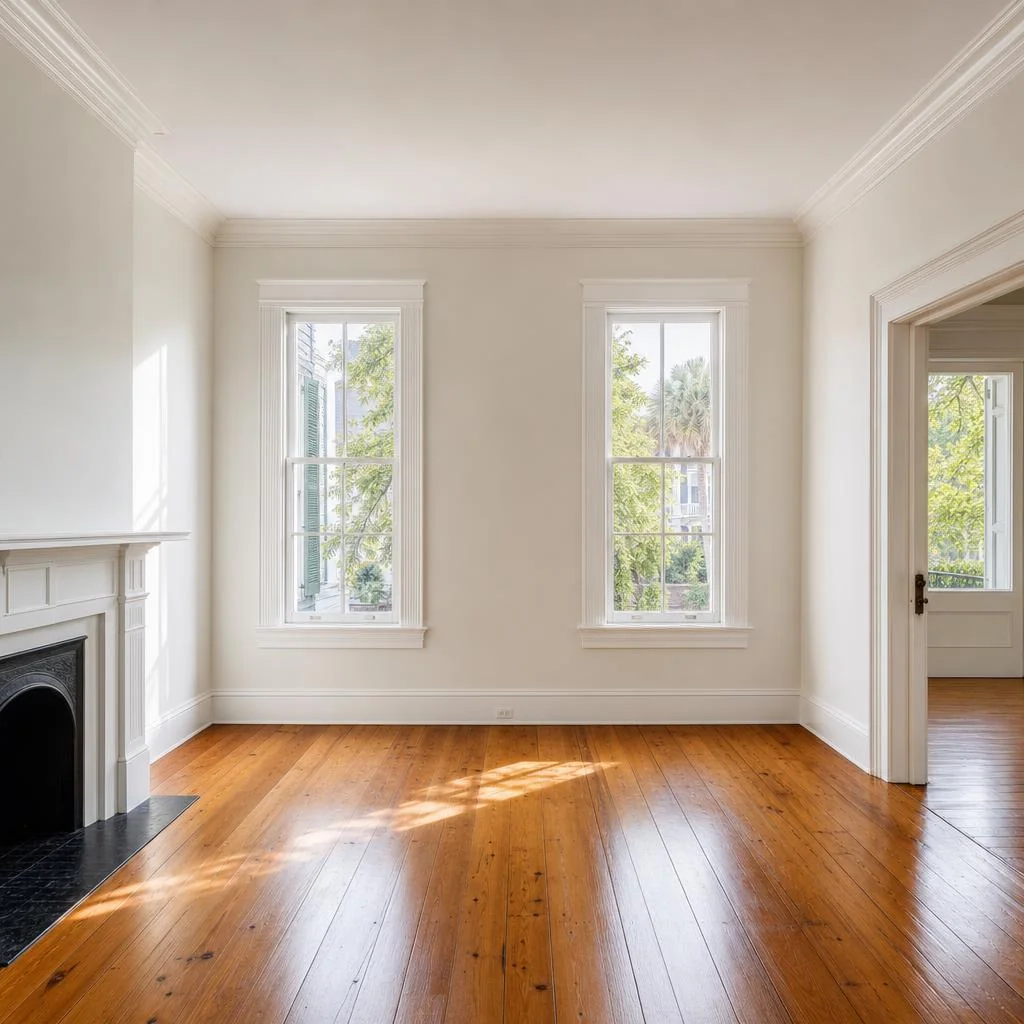
An empty house gives a painting project something valuable: access. Walls are easier to reach, floors are easier to protect, and rooms can be completed without working around furniture, artwork, or daily routines. You also get to start with a cleaner visual baseline rather than live for months with colors you already know you want to change.
Painting before moving in can be especially helpful when:
- multiple rooms need a coordinated palette
- ceilings, trim, doors, or closets are part of the scope
- there are visible wall repairs to make
- you plan to replace flooring or complete other work first
- you want the house to feel settled on move-in day
It also gives you a chance to paint behind appliances or in closets that may be harder to address later. If your whole-house vision is already clear, this route can reduce the number of times you need to rearrange your life around a project.
The tradeoff: decisions happen fast
The drawback is that you may be selecting colors before you have truly lived with the light. A color that looked perfect during a showing can feel different when you see it in the morning, at night, and next to your furniture. If the move timeline is tight, there may be less room for thoughtful sampling and adjustment.
That does not mean you have to settle. It means your pre-move plan should be focused. Choose main living areas, bedrooms, and any surfaces that will be most difficult to revisit. Save smaller accent decisions for later if needed.
The case for painting after you are settled
Living in a home for a while can make priorities clearer. You learn which room feels dark in the afternoon, where scuffs accumulate, which existing colors fight with your furnishings, and which space you actually use most. That information can lead to better color and finish choices.
Painting after move-in can make sense when:
- you are unsure which furniture or window treatments you will keep
- the home is livable and no urgent repairs are needed
- you want to spread the cost over phases
- you need time to choose colors with less pressure
- you would rather learn the home’s natural light first
The tradeoff is disruption. Furniture needs to be moved or covered, rooms may be temporarily out of use, and the project has to fit around pets, work, meals, and bedtime. A thoughtful plan can reduce the hassle, but it cannot make an occupied home feel as open as a vacant one.
A side-by-side decision guide
| If this sounds like you | Painting before move-in may fit | Painting after move-in may fit |
|---|---|---|
| Your scope | You want several rooms, ceilings, trim, or closets done together | You want to tackle rooms in stages |
| Your timeline | You have access between closing and move day | You can live with current colors for a while |
| Your color confidence | You have a palette or can make decisions quickly | You want to see furniture and light in place first |
| Your tolerance for disruption | You want to avoid moving furniture twice | You can plan around one room at a time |
| Your budget | You prefer one coordinated project | You prefer phased spending |
Neither column is “better.” The table simply clarifies which constraints are driving your decision.
If you paint before moving in, sequence matters
Painting is often easiest after messy construction work is complete and before final move-in. If you are also changing floors, addressing repairs, or updating cabinets, discuss the sequence early. The right order protects finished surfaces and helps prevent one project from creating extra work for the next.
In many cases, it is helpful to identify:
- surfaces that need repair before painting
- areas that will be affected by flooring or other improvements
- rooms that must be ready first for move-in
- rooms that can wait if the schedule gets tight
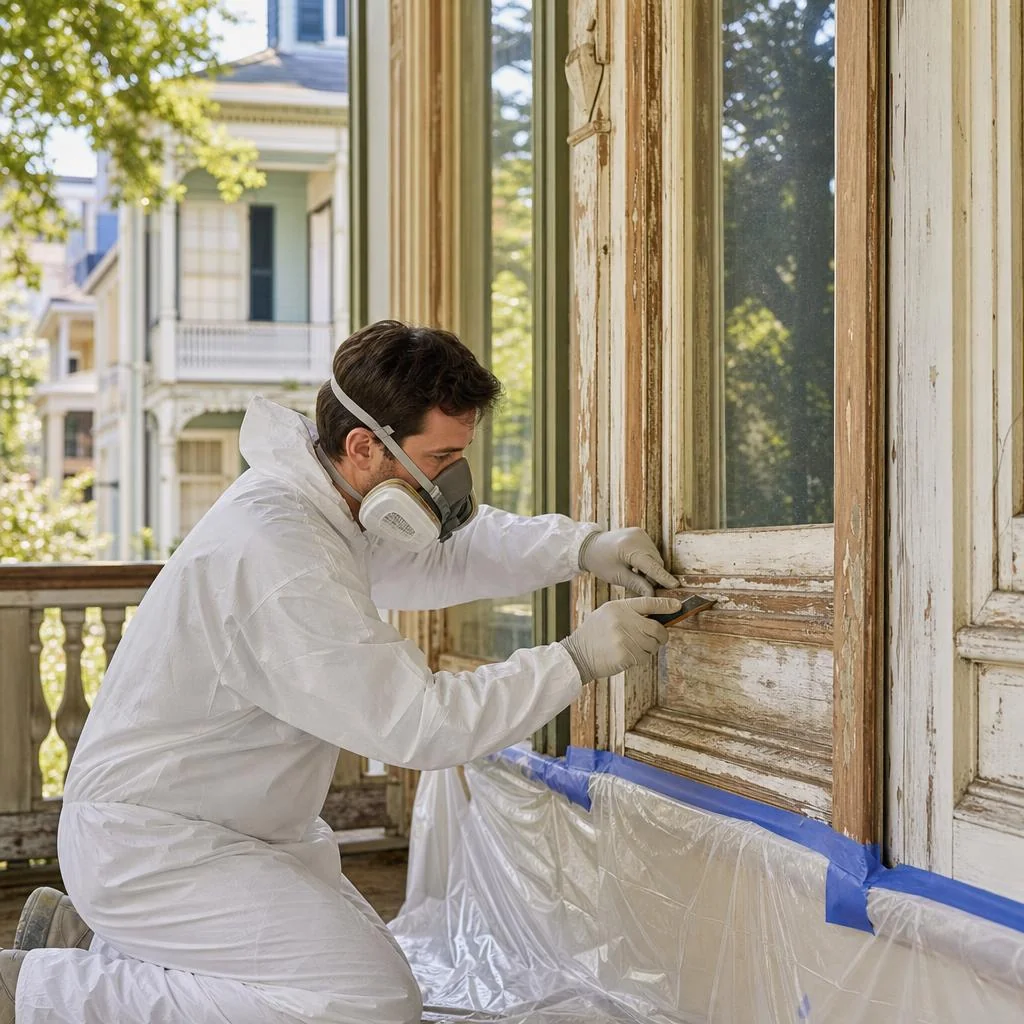
Do not assume every surface needs the same level of work. A walkthrough is the time to distinguish a straightforward bedroom refresh from a room with ceiling stains, patching, old wallpaper residue, or trim that needs separate attention.
If you paint after moving in, make the project livable
Occupied-home painting is easier when you make decisions before the first room begins. Choose a temporary “landing zone” for boxes and small furniture. Decide whether you will work room by room or keep a whole zone available for the project. Remove fragile items and personal décor in advance, and make a plan for pets and children.
It also helps to keep the first phase high-impact. An entry, main living area, primary bedroom, or kitchen-adjacent space can change how the home feels quickly. That satisfaction makes later phases easier to plan.
For a coordinated plan, see our whole-house paint color palette guide.
Make room for color decisions
Whether you paint before or after, test colors in the actual rooms. Compare samples beside flooring, cabinets, tile, and upholstery. Look at them in daylight and evening light. A move is already full of fast decisions; a little sampling prevents a color choice from becoming one of the regrets.
You can also keep a foundation neutral in connected areas and reserve bolder choices for rooms that are easier to revisit. This gives the home an immediate sense of cohesion without demanding every final design decision at once.
What to ask your painter
Before you schedule, ask:
- What can realistically be completed before our move date?
- Which rooms or surfaces should be prioritized if we need to phase the work?
- What preparation and repairs are included in the scope?
- How should other planned improvements be sequenced with painting?
- If we are already moved in, what do we need to clear or protect?
- Can we review colors and finishes in the home before finalizing them?
The best time is the time that makes the move easier
Painting before move-in offers simplicity and access. Painting after offers context and flexibility. Your best answer may be a hybrid: complete the main spaces before moving, then live with the smaller rooms long enough to make confident choices.
Request a free in-person estimate from Big Picture Painting to walk through the home, discuss your move timeline, and build a painting plan that fits it. request an estimate.