Professional painting can be worth it when the project calls for more than a free weekend and a few rollers. The value is not simply that someone else applies paint. It is the planning, preparation, product decisions, protection, application, cleanup, and final review that help a project feel organized from start to finish.
For a small, low-risk room, a careful DIY project may be a satisfying choice. For detailed trim, tall walls, exterior surfaces, repairs, an occupied home, or a finish you want to get right the first time, hiring a professional may be the better fit. The right answer depends on your scope, your comfort level, and the experience you want.
Start with the real question: what will this project demand?
“Can I paint this myself?” is different from “Can I prepare, protect, apply, and finish this space to the standard I want?”
Painting often looks straightforward once the room is covered. The less visible work can be more demanding: moving and protecting belongings, repairing small flaws, cleaning surfaces, sanding or priming where needed, selecting the right sheen, cutting clean lines, and restoring the space afterward.
Sherwin-Williams says preparation is the key to good-looking, long-lasting results and describes a ready-to-paint surface as clean, solid, dry, and free of cracks and imperfections. Sherwin-Williams preparation guidance That is a useful standard whether you hire a painter or do the work yourself.
A practical DIY-versus-professional scorecard
Use this table to decide where your project falls. It is not a rulebook—just a way to make your tradeoffs visible.
| Project factor | DIY may fit when… | A professional may be worth it when… |
|---|---|---|
| Scope | It is one manageable room or simple surface. | Multiple rooms, a whole home, exterior elevations, or detailed finishes are involved. |
| Surface condition | Walls are sound and need little more than cleaning and touch-up. | There is peeling paint, stains, cracks, repairs, or uncertain substrate condition. |
| Access | You can work safely and comfortably at the needed height. | Ladders, high ceilings, stairs, or difficult exterior access are part of the job. |
| Time | You can prepare, paint, dry, clean up, and live around the work. | You want a coordinated plan with less homeowner labor. |
| Finish expectations | You are comfortable learning as you go. | Crisp lines, consistent sheen, cabinetry, trim, or a polished finish matters deeply. |
| Risk | The home is newer and the work is limited. | Pre-1978 painted surfaces or other safety considerations may apply. |
If the professional column keeps winning, that does not mean you failed a DIY test. It simply means your project has more moving parts.
Where professional preparation can matter most
The best-looking coat cannot solve a surface problem underneath it. On previously painted walls, preparation may involve removing loose paint, addressing cracks or holes, dulling glossy areas when appropriate, cleaning residue, and priming bare areas. Sherwin-Williams preparation guidance
Exterior work adds another layer of judgment. Surfaces may have different materials, past coatings, repairs, and exposure. Sherwin-Williams advises avoiding painting immediately after rain, when rain is predicted, during fog, or below 50°F unless a product is designed for those conditions. Sherwin-Williams preparation guidance A thoughtful painter evaluates the surface and product requirements before moving ahead.
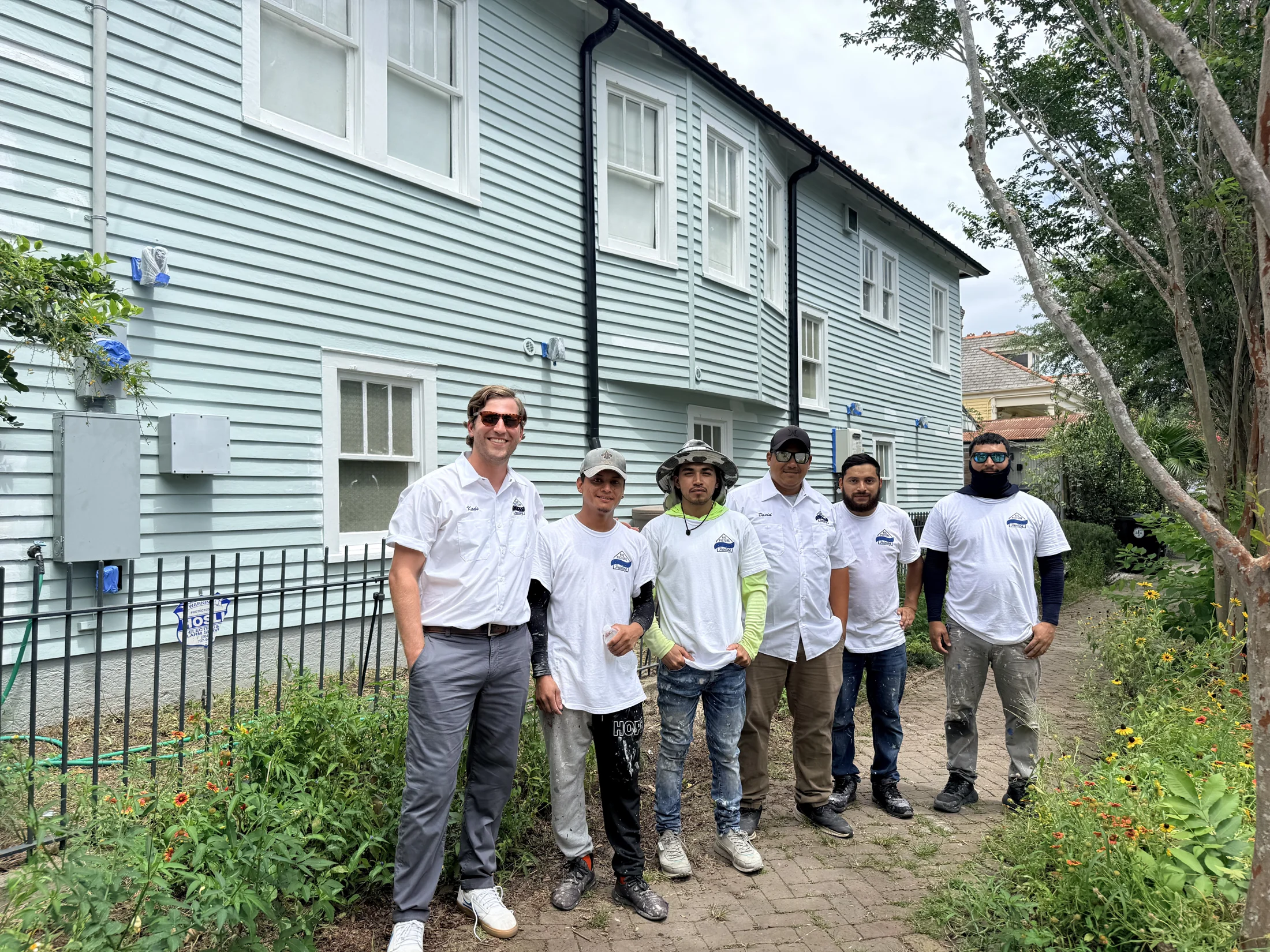
Professional help can also be valuable when you want a clear sequence of decisions. Big Picture Painting describes its process as including a detailed estimate, color consultation, preparation, paint application, and a final walkthrough. Big Picture Painting Those steps are useful because they separate planning, execution, and review instead of treating the project as one large unknown.
Consider your time as part of the value
DIY materials are only one part of the decision. Your time, energy, learning curve, household disruption, and willingness to redo a section are part of it too.
Ask yourself:
- Do I have time to prepare thoroughly rather than rush to the fun part?
- Can I keep children, pets, furnishings, and daily routines protected from the work area?
- Am I comfortable making product and sheen decisions?
- If a repair or adhesion issue appears, do I know how I will address it?
- Will I enjoy this project, or will it sit unfinished?
There is no universal answer. A professional painter is not automatically “worth it” for every wall. But when handing off the logistics lets you protect your time and feel better about the finished space, the value can be substantial.
Safety should change the decision
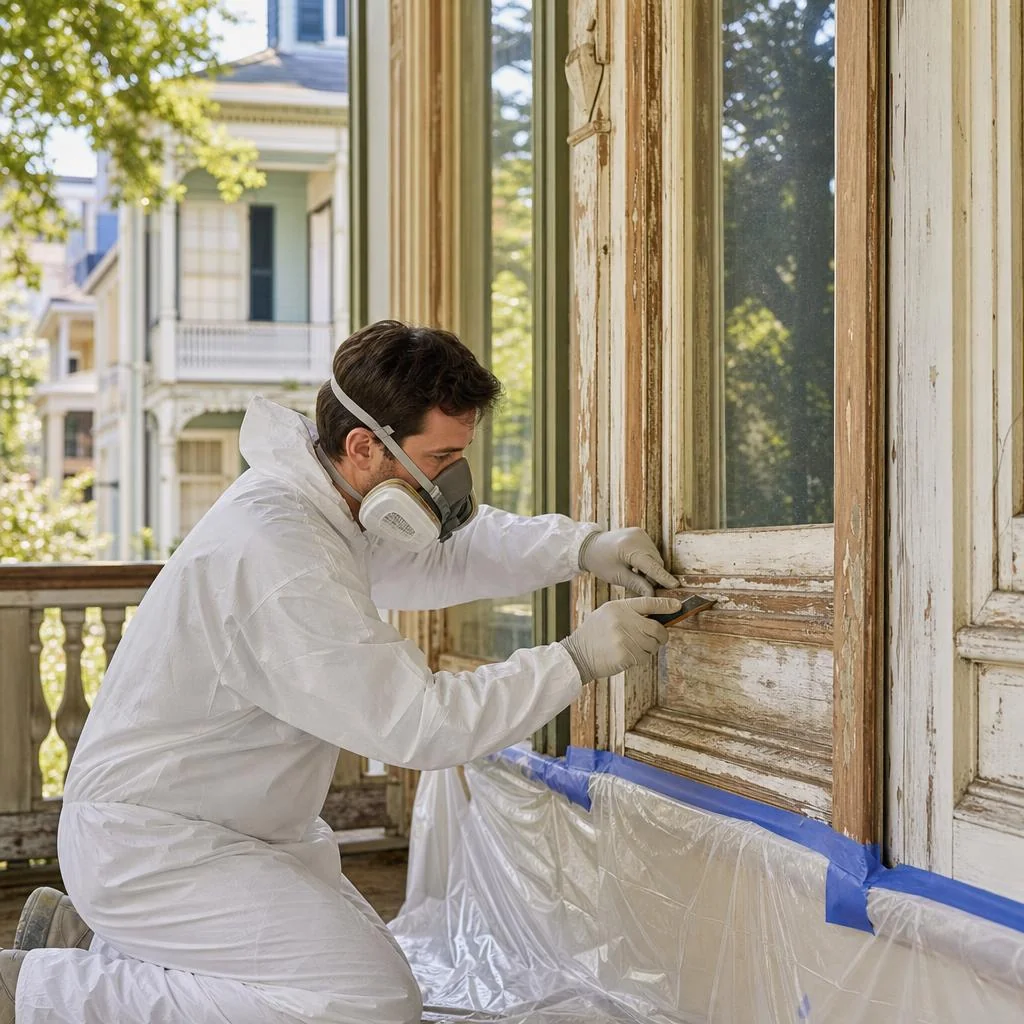
If your home was built before 1978, pause before sanding, scraping, or otherwise disturbing painted surfaces. The EPA notes that common renovation, repair, and painting activities can create hazardous lead dust and chips in homes that may contain lead-based paint. EPA consumer RRP guidance The EPA recommends using a contractor certified and trained in lead-safe work practices for covered pre-1978 projects. EPA consumer RRP guidance
Read lead-safe painting in New Orleans before you hire or begin work in an older home. It explains the questions to ask without assuming a particular contractor’s certification status.
What to ask your painter
Before deciding, ask:
- What preparation do you recommend for these exact surfaces?
- What will you protect in and around the work area?
- Which products and sheens are planned, and why?
- What repairs or conditions could change the scope?
- How will you keep me informed during the project?
- What does the final walkthrough include?
- If the home was built before 1978, what lead-safe requirements and credentials apply?
Make the choice that fits your home
Choose DIY when you have a contained project, sound surfaces, safe access, enough time, and genuine comfort with the process. Choose professional painting when the project is complex, the preparation matters, the finish matters, or you simply want to hand off the work with a clear plan.
Big Picture Painting offers a free in-person estimate to discuss your space, your priorities, and the details of the proposed work. Request a free in-person estimate.
For the next step, see what a painting estimate should include and how to choose a painting contractor in New Orleans.