Choosing a painting contractor is not just about finding a color you love. It is about inviting a team into your home, defining what will happen to every visible surface, and feeling confident about the result before the first drop cloth comes out.
When you choose a painting contractor in New Orleans, start with clarity—not the lowest number on a page. A thoughtful contractor should help you understand the scope, surface preparation, products, protection plan, and next steps. That gives you a far better way to compare proposals than price alone.
Start with the work your home actually needs
Before requesting estimates, make a short list of what you want to change and what concerns you have. Include rooms or exterior elevations, ceilings and trim, repairs you can see, stains, peeling paint, high-traffic areas, and any areas that feel damp or weathered.
This does not need to be technical. A few photos and a walkthrough list are enough to begin a useful conversation. The goal is to help each contractor price the same work—not to diagnose the project yourself.
Preparation deserves special attention. Sherwin-Williams describes proper preparation as the key to good-looking, long-lasting results, and says the surface should be clean, solid, dry, and free of cracks or imperfections before painting. Sherwin-Williams preparation guidance That is why a contractor’s questions about condition are often as important as their questions about color.
Compare the plan, not only the total
A professional-looking estimate can still leave important questions unanswered. When two proposals differ, look for differences in the written scope: which surfaces are included, what prep is planned, what coating system is proposed, and who is responsible for repairs or exclusions.
Use the scorecard below during each estimate visit. It will keep the conversation focused on the details that affect your experience and finished result.
| What to compare | Strong answer sounds like | Follow-up if it is unclear |
|---|---|---|
| Scope | Specific rooms, surfaces, trim, ceilings, or exterior areas are named. | “Which areas are excluded?” |
| Preparation | Cleaning, repairs, sanding, priming, masking, and protection are discussed as needed. | “What happens if you find failing paint or damage?” |
| Products | The proposal identifies the product line, sheen, and where it will be used. | “What system is planned for this surface?” |
| Home protection | The team explains how floors, furniture, landscaping, and adjacent surfaces will be protected. | “What do you need us to move or secure?” |
| Communication | You know who will be your point of contact and how updates will be handled. | “How will changes be documented?” |
| Closeout | Cleanup and a final review are included in the conversation. | “How do we note touch-ups or remaining items?” |
The right answer will vary by home. What matters is whether the contractor takes the time to make the answer specific to yours.
Look for a clear process and calm communication
Painting can be disruptive even when the work is straightforward. Ask what the experience will feel like from consultation through final review. Will the team walk the space with you? Will you receive a written estimate? Will choices and changes be documented?
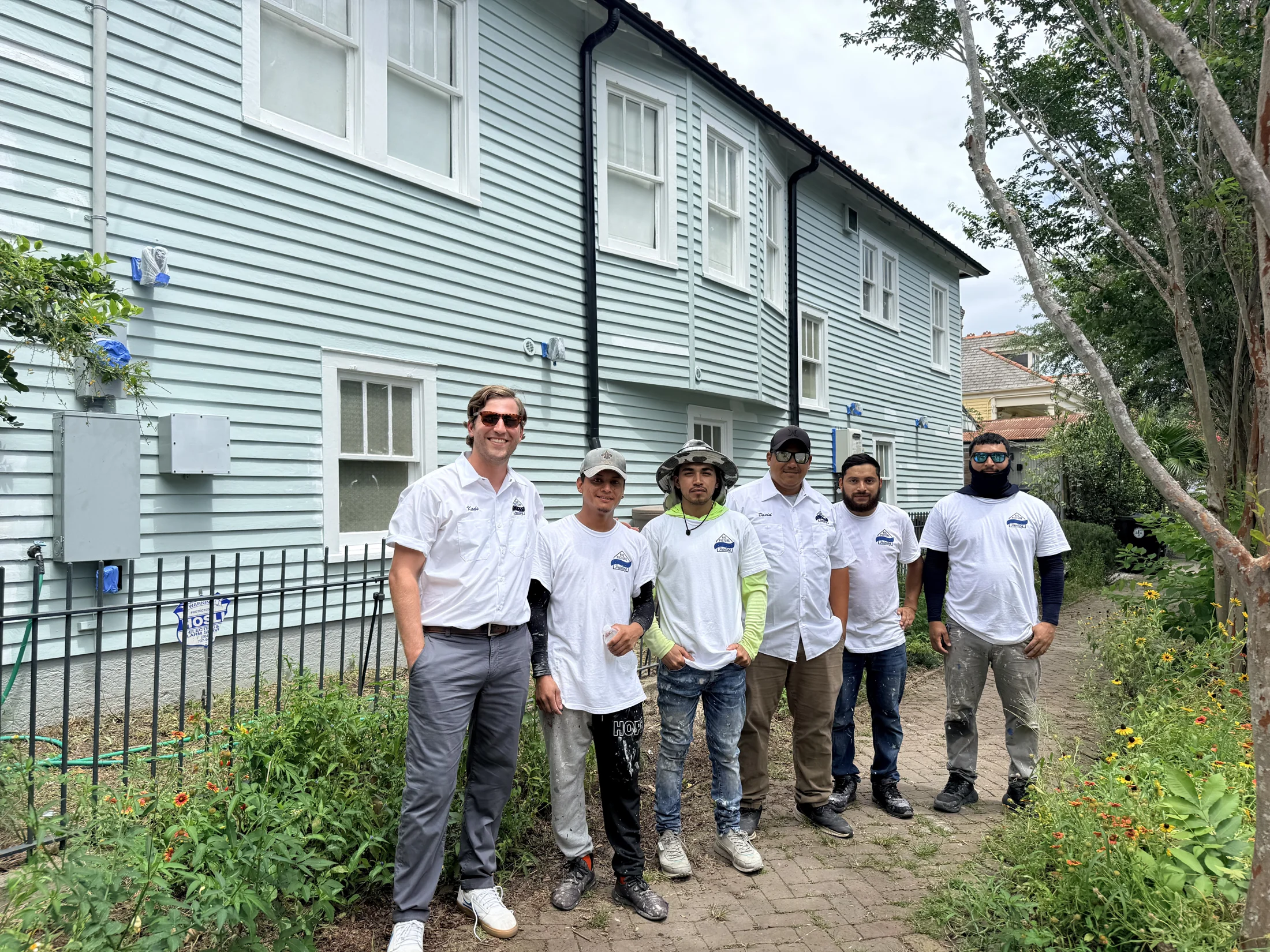
Big Picture Painting describes its homeowner process as an in-person consultation and detailed estimate, followed by color consultation, preparation, paint application, and a final walkthrough. Big Picture Painting Those are useful process markers to look for when evaluating any contractor: a chance to align on the vision, a written scope, thoughtful prep, and a clear finish line.
For exterior work, ask how the contractor will assess the substrate rather than simply “paint over” it. Sherwin-Williams advises against painting immediately after rain, when rain is predicted, during foggy weather, or below 50°F unless a product is designed for those conditions. Sherwin-Williams preparation guidance A good plan considers surface condition and product directions, not just the calendar.
Confirm the details that protect you
Credentials and documents should be easy to discuss. Ask each contractor to provide the documentation relevant to your project and locality, including insurance and licensing information where applicable. Do not assume a website badge or a verbal assurance answers every question; ask for the current documentation you need before signing.
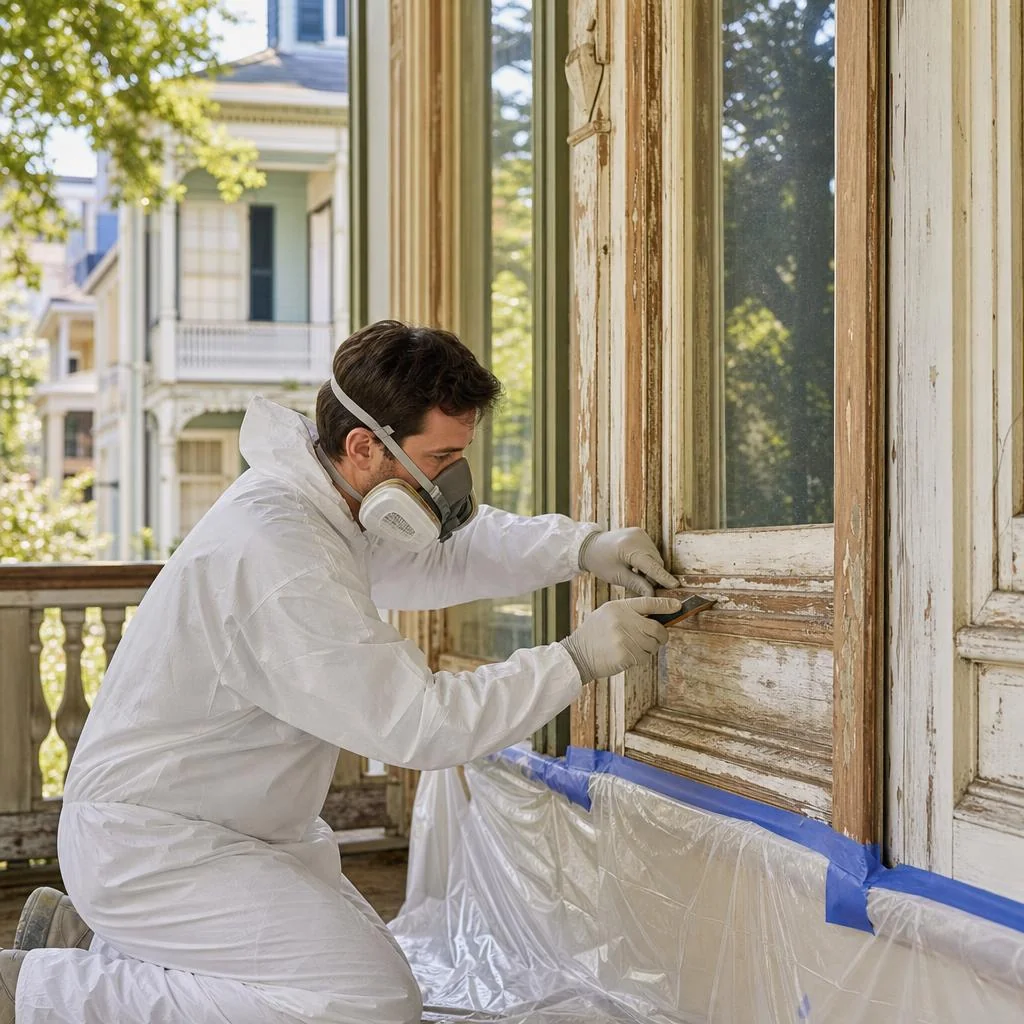
If your home was built before 1978 and the project will disturb painted surfaces, bring up lead at the beginning of the conversation. The EPA recommends hiring a contractor certified and trained in lead-safe work practices for renovation, repair, or painting projects in pre-1978 homes. EPA consumer RRP guidance See our lead-safe painting guide for a homeowner-focused guide to that conversation.
Also review the payment, schedule, change-order, and warranty language in writing. You are not looking for a perfect script; you are looking for terms you understand well enough to make an informed decision.
What to ask your painter
Bring these questions to the estimate:
- Which surfaces are included, and which are specifically excluded?
- What preparation do you expect for each surface?
- What paint or coating system and sheen do you recommend, and why?
- How will you protect floors, furnishings, plants, and nearby finishes?
- Who will be my day-to-day contact once work begins?
- How will additional repairs, changed scope, or product changes be approved?
- What cleanup and final walkthrough steps are included?
- If my home predates 1978, what lead-safe requirements or credentials apply to this work?
A lower bid is not automatically a better comparison
A lower proposal may be perfectly appropriate when the scope is truly the same. But it may also omit repairs, primers, surface preparation, protection, or other steps that are important to you. Ask for clarification before assuming two numbers represent the same project.
The contractor you choose should make the decision easier, not harder. You should leave the estimate visit understanding the work, the choices, and what you need to decide next.
Ready to talk through your project?
Big Picture Painting offers a free in-person estimate to walk through your space, discuss your goals, and prepare a detailed estimate. Request your free in-person estimate.
Explore next: what a painting estimate should include and professional painting vs. DIY.