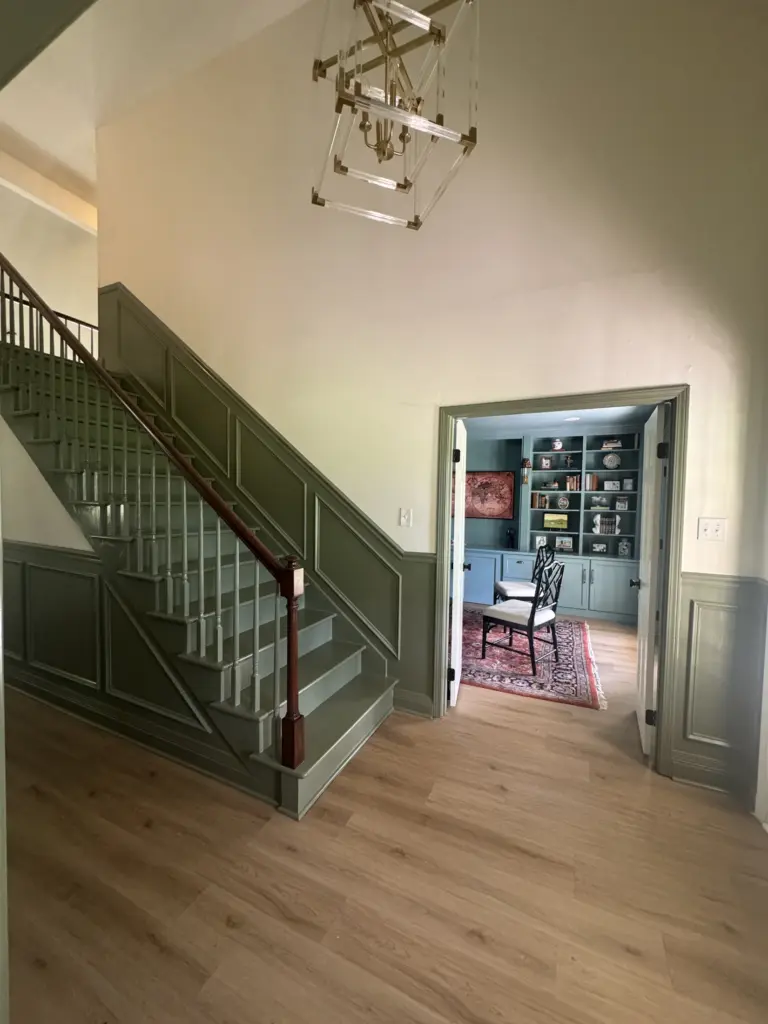
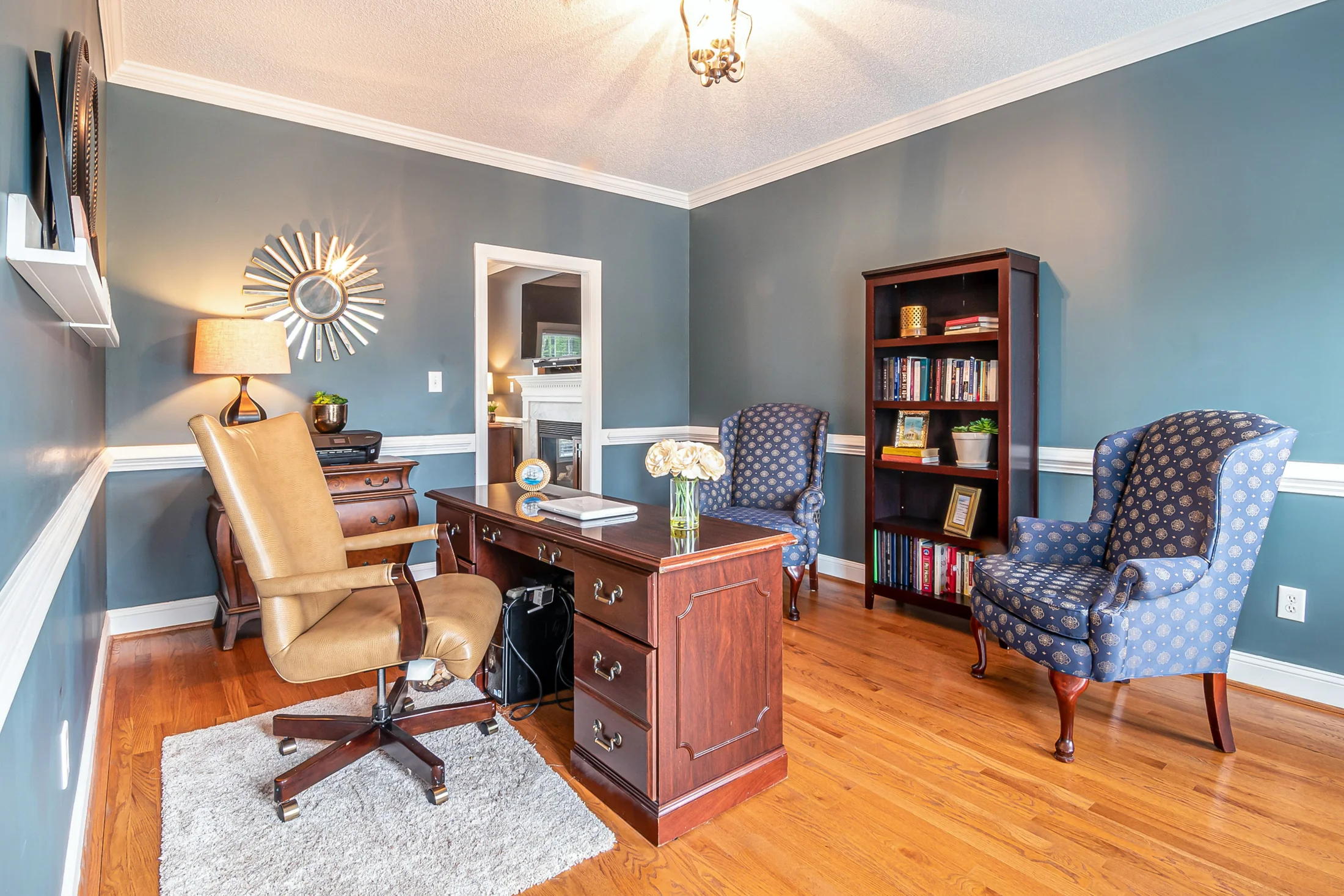
Color gets most of the attention, but paint sheen quietly determines how a room feels every day. It affects how light moves across a wall, how easily a surface wipes clean, and how noticeable small imperfections become. That is why paint finishes explained is more than a paint-store question—it is a planning decision.
The right finish can make a calm bedroom feel soft, help a busy hallway hold up gracefully, or give cabinetry the polished look it deserves. The wrong one can make a beautiful color feel overly shiny or draw attention to texture you would rather not see.
Here is a practical guide to choosing finishes with confidence, room by room.
First, what does “sheen” mean?
Sheen is the amount of light a dried paint surface reflects. Lower-sheen finishes absorb more light and look more velvety. Higher-sheen finishes reflect more light and look smoother and more lustrous.
As sheen increases, a coating is often easier to wipe clean—but it also tends to reveal more of what is underneath. That can include drywall texture, nail patches, old roller marks, or uneven wood grain. Preparation matters at every sheen level, but it matters especially when a surface will be more reflective.
For a deeper look at the steps behind a polished result, read our interior painting preparation article.
The homeowner’s paint sheen guide
There is no universal “best” finish. Choose based on traffic, moisture, light, surface condition, and the look you want.
| Finish | Look | Often a good fit for | Keep in mind |
|---|---|---|---|
| Flat / matte | Low reflection, soft | Ceilings, low-traffic rooms, walls with minor visual variation | Less forgiving of frequent cleaning |
| Eggshell | Gentle, low sheen | Living rooms, bedrooms, dining rooms | A versatile wall finish with a subtle glow |
| Satin | Noticeable soft sheen | Hallways, kids’ rooms, kitchens, some baths | More washable, but highlights wall texture more than eggshell |
| Semi-gloss | Crisp reflection | Trim, doors, cabinets, select bath areas | Durable-looking and easy to clean; needs careful prep |
| Gloss / high-gloss | Strong reflection | Accent doors, select trim, designed details | Dramatic and exacting; surface flaws show readily |
Product lines vary, so the same label can look slightly different across manufacturers. That is one reason a sample board is helpful. Compare the exact product and sheen you plan to use, not only a color chip.
Where each finish usually works best
Walls: eggshell or satin are common starting points
Eggshell is a favorite for homeowners who want a refined wall finish without much shine. It suits bedrooms, living rooms, dining rooms, and spaces where the light is soft. It can make a richly colored wall feel calm rather than glossy.
Satin is often the practical choice where hands, bags, and daily movement meet the walls: hallways, entryways, mudroom-style drop zones, kitchens, and children’s rooms. It is also a solid option when wipeability is a high priority. Because it reflects more light, however, it benefits from a well-prepared wall.
Do not choose satin simply because a room is busy. If a wall has pronounced texture or patching, an eggshell finish may give you the better overall result. The question is always balance: maintenance needs versus how the surface looks in real light.
Ceilings: usually keep the focus off them
Flat or matte ceiling paint is a familiar choice for good reason. It minimizes reflection and helps a ceiling recede, which lets walls, art, furnishings, and architectural details do the visual work. In a low ceiling or a room with lots of daylight, that quiet finish can feel especially welcome.
A ceiling is not required to be white. A pale version of the wall color, a soft warm gray, or a very light blue can create a more finished envelope. Whatever color you choose, a low sheen is generally the place to start.
Trim and doors: semi-gloss is a classic for a reason
Baseboards, casings, crown molding, and doors take plenty of contact. Semi-gloss gives those hardworking surfaces a clean definition and a finish that reads intentionally separate from the walls. It is a strong default for traditional interiors and a useful contrast to eggshell walls.
That does not mean semi-gloss is mandatory. Satin trim can look modern and understated, especially in a home where you want less contrast between walls and millwork. The key is consistency. Choose the sheen relationship deliberately, then carry it through connected spaces.
Kitchens, baths, and laundry areas: think about the whole surface
Rooms with moisture and frequent cleanup need thoughtful product and sheen choices, but “the shiniest paint possible” is not automatically the answer. A satin wall finish can be a sensible balance in many kitchens and bathrooms. Semi-gloss may be better reserved for trim, doors, and cabinetry, where its definition and washability are useful.
Ventilation, surface condition, and the location of splashes matter as much as the room label. Ask your painter to assess the specific surfaces rather than applying one rule to every wall.
Use light to test the finish, not just the color
The same finish looks different near a large window, under recessed lights, and beside a table lamp at night. Sample boards are useful because you can move them around the room and tip them toward the light. Test at least two likely sheens if you are deciding between eggshell and satin.
Pay special attention to:
- long walls that receive raking light from windows
- rooms with older drywall or visible patches
- dark, saturated colors, which can show sheen variation more readily
- cabinets and doors, where hand contact and reflection are both high
Good preparation makes a finish look more even, but a sheen decision should never be an attempt to hide a repair that needs to be addressed first.
Keep sheen changes intentional across an open floor plan
Open layouts need a simple visual system. If the living room, dining room, and kitchen share sightlines, a consistent wall finish often creates the calmest result. You can then use trim, doors, and cabinetry to introduce a higher sheen and a little structure.
For example: eggshell on connected living-area walls, satin on the kitchen walls if they need extra wipeability, and semi-gloss on white trim throughout. The transition will feel more intentional if it happens at a logical architectural break rather than halfway across a shared wall.
What to ask your painter
Before finalizing a sheen schedule, ask:
- Which finish best fits the traffic and light in this room?
- Will this sheen emphasize existing drywall texture or repairs?
- Can we compare eggshell and satin samples on the actual wall?
- Which sheen should we use on doors, trim, and cabinetry?
- How will sheen changes be handled at transitions between rooms?
- What preparation is needed for the finish we choose?
The finish should support the way you live
The best paint finish does not announce itself first. It supports the room: quieter where you want softness, more durable where life is busy, and more polished where details deserve definition.
Planning an interior refresh? Request a free in-person estimate from Big Picture Painting. We can look at your rooms, light, existing surfaces, and color goals together. residential interior painting · request an estimate.