Peeling exterior paint is frustrating because it makes a home look neglected even when the rest of the property is well cared for. The temptation is to cover it quickly with a fresh coat. But new paint needs a stable surface. Painting over loose material usually leaves the underlying problem in place.
For New Orleans homeowners, the right next step is not an online diagnosis. It is a careful look at the affected areas, the condition of the surrounding paint, the material underneath, and the preparation required before repainting.
Start with what you can safely observe
Walk around the home and make note of what you see. You do not need to poke, sand, or remove anything to have a useful estimate conversation. Look for patterns: Is the peeling confined to trim? Is it on one elevation? Is it near doors, windows, or areas that stay shaded? Has the paint lifted in small flakes, larger sheets, or at edges?
These details help frame the site visit, but they do not establish the cause. Peeling can relate to many conditions, and photos alone are not a reliable way to diagnose moisture, mold, or structural concerns. A painter should inspect the surface and explain what preparation is needed within the paint scope.
Why painting over peeling paint is a poor shortcut
Sherwin-Williams’ guidance for previously painted surfaces calls for loose paint and powdery substances to be removed before painting. It also recommends cleaning dirt, grease, soap, and oil buildup; patching holes and cracks; sanding smooth; removing dust; and priming bare areas. Read the complete preparation sequence.
That sequence matters because the new coating can only adhere as well as the layer below it. If older paint is not sound, the finish coat is being asked to hold onto something that is already releasing.
| What you notice | A sensible next step | What not to assume |
|---|---|---|
| A few small flakes | Document the location and request an in-person assessment. | That a quick touch-up will match or solve everything. |
| Larger peeling areas | Ask how loose material will be removed and edges prepared. | That the same prep is needed across the entire home. |
| Bare material showing | Ask whether the exposed areas will be primed. | That one finish coat alone is the complete system. |
| Peeling near an older painted surface | Mention the home’s age before any disturbance. | That sanding can proceed without lead-safe considerations. |
| Areas that look stained or damp | Ask the painter to inspect and explain the paint-scope findings. | That a photo can identify the underlying cause. |
What a repair-and-repaint conversation should cover
Surface cleaning and drying
Before loose paint is addressed, the surface needs to be evaluated for cleaning and drying. Sherwin-Williams says paint preparation begins with a surface that is clean, solid, and dry. It also advises against painting immediately after rain, in foggy weather, or when rain is expected. The manufacturer’s guidance should be considered alongside the selected product’s instructions.
In a humid, rain-prone area, it is fair to ask how the painter will make day-of decisions. It is not reasonable to demand a universal weather number; conditions and product requirements vary.
Removal, feathering, and patching
The estimate should explain whether loose paint will be scraped or otherwise removed, whether transitions will be smoothed, and which minor repairs are included. If exposed material is found, ask about priming. Sherwin-Williams recommends priming bare areas and notes that bare-area primer can help prevent an uneven look between repaired and unrepaired sections. See its explanation.
The goal is not to make a dramatic promise about every old surface. It is to create a clear, workmanlike plan for the areas that are actually present.
Scope changes should be discussed, not buried
Occasionally preparation reveals something outside the original painting scope. A premium experience includes communication at that moment: what was found, what options exist, and how it affects the plan. Do not settle for vague language such as “repairs as needed” without understanding how the painter handles those decisions.
A cautious note for pre-1978 homes
If your home was built before 1978, old paint deserves extra care. The EPA explains that these homes are more likely to have lead-based paint and recommends that homeowners hire an EPA- or state-certified lead-safe contractor for renovation, repair, and painting projects that may disturb paint. The EPA’s consumer guidance also notes that even small amounts of lead dust can put families at risk.
Tell the painter the home’s approximate age before scraping or sanding begins. This is a prudent safety step, not a conclusion about your home’s paint.
What to ask your painter
- Which paint is loose, and how will you prepare those edges?
- What cleaning, patching, and bare-area priming are included?
- Can you distinguish normal prep from repairs outside the estimate?
- How will weather and surface dryness affect the work plan?
- What should I know if the home was built before 1978?
- How will we review the repaired areas during the final walkthrough?
Repaint with a plan, not a patch
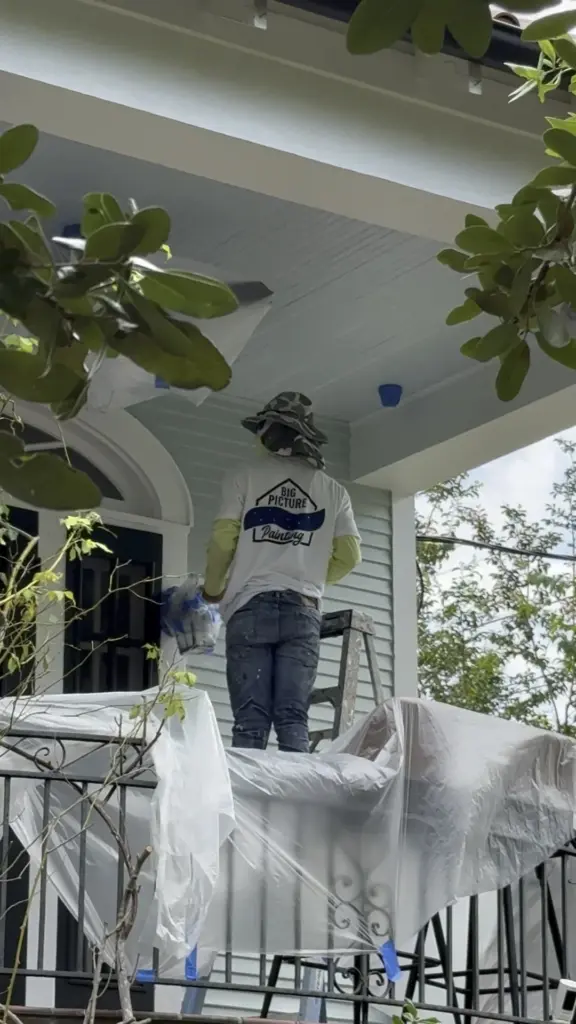
Big Picture Painting approaches exterior work with detailed preparation, proactive communication, professional application, cleanup, and a final walkthrough. Explore residential exterior painting, read our New Orleans exterior prep guide, or learn about our process.
Request a free in-person estimate
If exterior paint is peeling, schedule a free in-person estimate with Big Picture Painting. We will look at the affected areas with you and outline a clear preparation plan for the painting work.